You filled your pool, and now you’re trying to figure out how much it’ll cost to keep the water warm all summer. It’s a fair question. The swimming pool heater cost varies depending on the type of heater you have. For many homeowners, that monthly bill can be higher than expected.
Here’s the good news: you have options. Gas and electric heaters work well, but they run on fuel or electricity you pay for each time they turn on. Solar pool heating works differently. It uses free heat from the sun, so your monthly cost stays lower no matter how often you swim.
What Affects Swimming Pool Heater Cost?
A few factors determine what you’ll pay to heat your pool each month. Understanding these can help you figure out which heating option makes the most sense for your situation.
- Pool size: Bigger pools lose more heat through the surface and take more energy to recover that heat.
- Climate: Warmer regions like Florida need less energy to maintain a comfortable temperature. However, pools in these regions are open longer, so the annual heating costs can be higher than those in cooler regions.
- Desired temperature: Every degree you add increases your energy use.
- Heater type: Gas, electric heat pumps, and solar all use different energy sources, and the cost gap between them can be significant.
- How long your pool stays open: A longer swim season means more months of heating costs.
Since these factors vary widely from home to home, it’s tough to give a single exact number for swimming pool heater cost. That’s why it helps to compare heater types side by side.
The Cost of a Heated Swimming Pool Each Month
The cost of a heated swimming pool depends heavily on the type of heater you use. Here’s a general look at how the main options compare.
Gas Heaters
Gas heaters warm water quickly, making them popular for spas and pools that require rapid temperature changes. The trade-off is a higher monthly bill, often hundreds of dollars, depending on fuel prices and pool size, and natural gas and propane costs can swing throughout the year.
Electric Heat Pumps
Heat pumps pull warmth from the surrounding air and use it to heat your pool. They can be more efficient than gas heaters, but performance can drop once outdoor temperatures fall too low. Heat pumps may also cost less to run month to month. However, this depends on gas versus electricity costs in a given market. For example, electricity in Florida is relatively cheap compared to California, making gas a more cost-effective option for the West Coast state.
Solar Pool Heaters
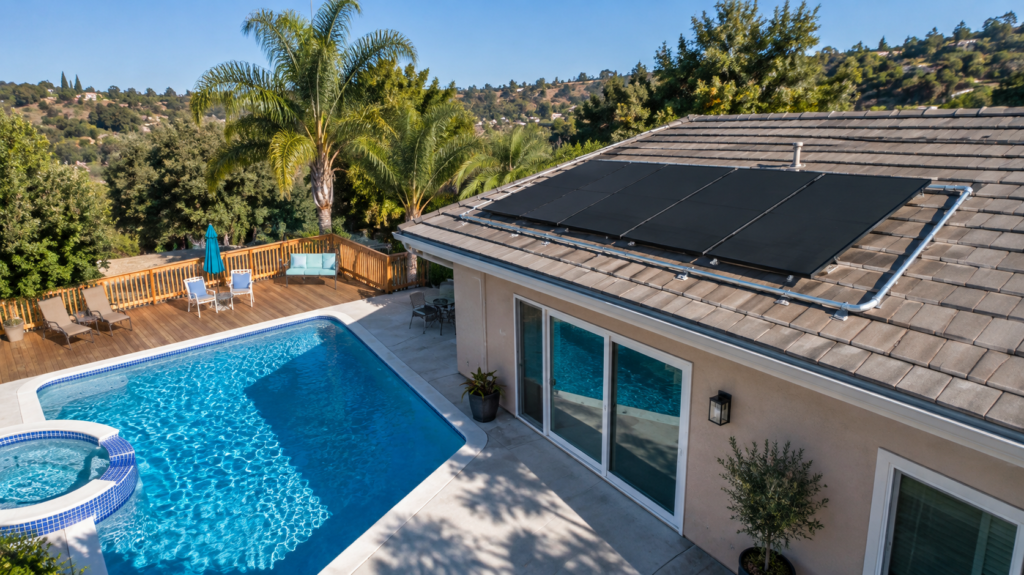
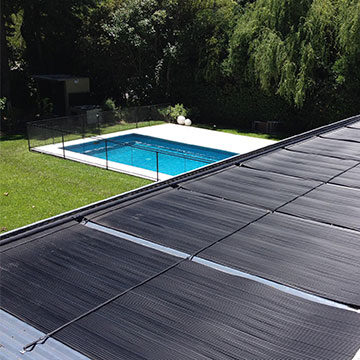
Solar systems use panels to capture heat from the sun and transfer it to your pool water. There’s no fuel to buy, which means your ongoing costs stay lower. Learn more about how solar pool heating works to see why so many pool owners are making the switch.
How Much Does Solar Heating for a Swimming Pool Cost?
Solar heating for a swimming pool costs break down into two parts: the upfront investment and the cost of running the system. Because pricing varies by pool size, panel count, and installer, expect a range rather than one flat number. A qualified dealer can give you an accurate quote for your property.
What About Operating Costs?
You may hear that solar heating has an “operating cost” because it relies on your pool pump to circulate water through the panels. However, your pump already has to run 6 to 8 hours a day to filter your pool, no matter how you heat it. Other systems, such as gas heaters, also need the pump running to work, while still adding the additional heating cost.
Solar doesn’t add a new cost here. It uses the pool’s pump time you’re already paying for, but turns it into free heat rather than another expense.
Does Solar Pool Heating Actually Lower Your Bills?
Yes. Because solar panels use sunlight instead of gas or electricity as fuel, your monthly heating cost significantly drops once the system is installed. Many homeowners see their pool heating costs cut by half or more, depending on their climate and how much sun their property gets.
Solar systems also tend to last a long time with very little maintenance. That means the savings keep adding up year after year, long after the system pays for itself.
If you already own a gas or electric heater, you don’t have to choose one or the other. Solar can work alongside your existing setup, preheating the water so your backup heater has less work to do. This hybrid approach is one of the most popular ways homeowners cut their swimming pool heater cost without giving up backup heat on cloudy days.
Is Solar Pool Heating Right for Your Pool?
Not every property is identical, so it helps to consider a few things before deciding.
- Sun exposure: Solar panels need 6 to 8 hours of direct sunlight for the best results.
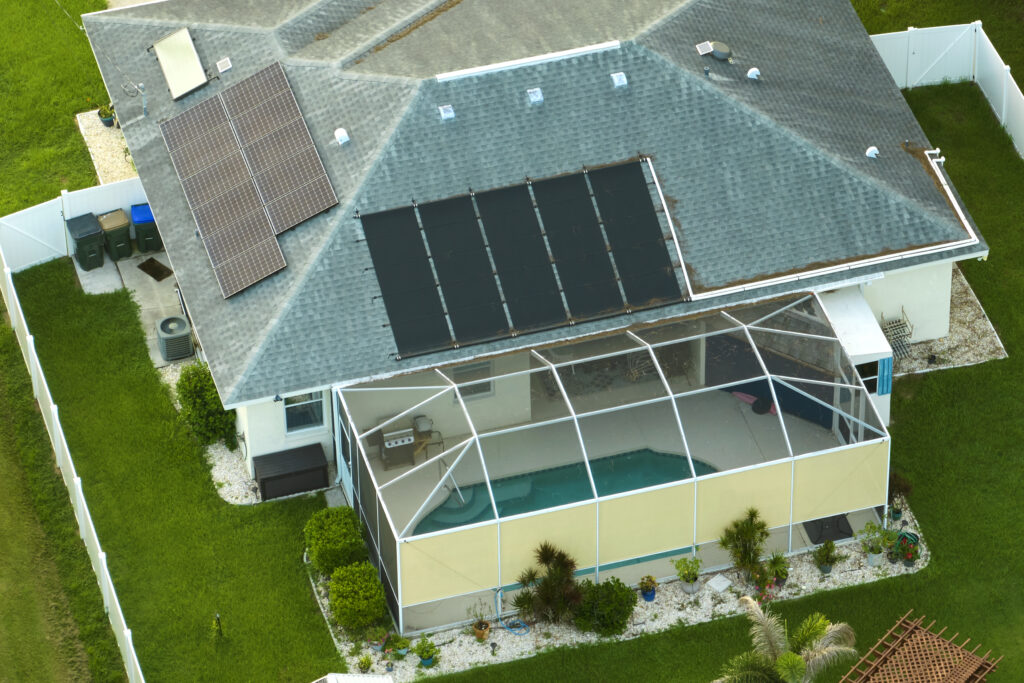
- Roof or ground space: Panels can be mounted on a roof or a ground rack, depending on your yard.
- Local rules: Some areas, including California, now require solar-ready heating on new pools. Read about California’s new solar pool heating requirements.
- Your swim season goals: If you want to swim earlier in spring and later into fall, solar is especially effective during those milder months.
A local dealer can give you a realistic picture of what the cost of a heated swimming pool would look like for your specific setup, including whether adding solar to your existing heater makes sense for you.
Start Saving on Your Swimming Pool Heater Cost Today
At Aquatherm, we’ve been manufacturing solar pool heating systems in the USA since 1976. We know that swimming pool heater cost is one of the biggest factors in how much you actually use your pool, and our systems are built to bring that cost down without sacrificing comfort. Whether you’re adding solar to an existing heater or starting fresh, our trained dealer network can design a system built around your pool and your budget. Find a dealer near you or learn more about our residential solar pool heating systems to start swimming more and spending less.

Swimming Pool Heater Cost FAQs
What is the average swimming pool heater cost per month?
It depends on your heater type, pool size, and climate. Gas heaters typically run $200 to $600 a month, heat pumps run $50 to $300 a month, and solar heaters have little to no added monthly fuel cost since they run on sunlight instead of gas or electricity.
Is the cost of a heated swimming pool worth it?
For most pool owners, yes. A heated pool means a longer swim season and more comfortable water temperatures. Choosing an efficient heating method, like solar, helps keep that added comfort from turning into a high monthly bill.
Does solar pool heating really have no operating cost?
Solar relies on your pool pump, but that pump already runs 6 to 8 hours a day for filtration, no matter your heat source. You’re not paying extra for solar’s operating cost since you’d be running the pump anyway.
Can I add solar heating to my current gas or electric heater?
Yes. Solar can work alongside your existing heater in a hybrid setup. The solar panels preheat the water, so your backup heater runs less often, which lowers your overall swimming pool heater cost.
How much sunlight does a solar pool heater need?
Most systems perform best with 6 to 8 hours of direct sunlight a day. A dealer can evaluate your roof or yard space to confirm your property gets enough exposure for solar to work well.
Does solar heating work in cooler months?
Yes. Solar panels respond to sunlight, not just air temperature, so they can still generate heat on cool but sunny days. This makes solar especially useful for extending your swim season into spring and fall.