Maintaining a swimming pool is a luxury that comes with one major hurdle: the cost of keeping the water at a comfortable temperature. Traditional gas and electric heaters can cause utility bills to skyrocket, often leading homeowners to leave their pools unused during the shoulder seasons. However, solar pool water heating has emerged as a game-changing solution that leverages the power of the sun to extend your swim season without the carbon footprint.
How Does Solar Pool Water Heating Work?
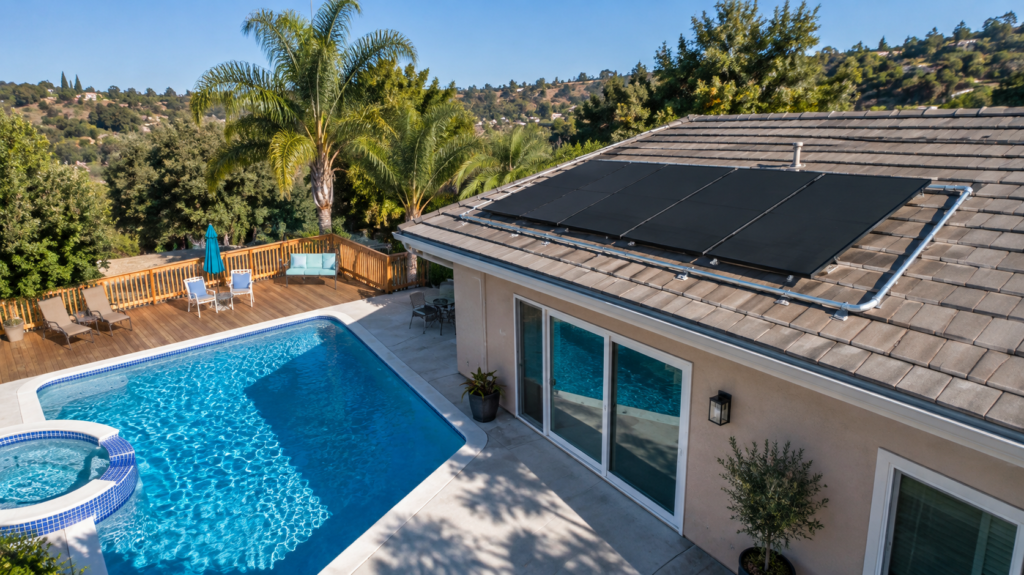
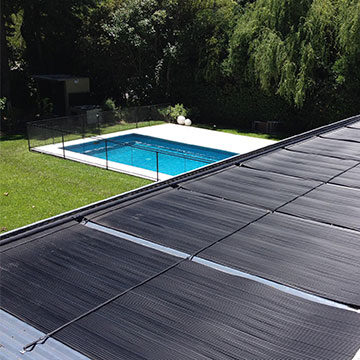
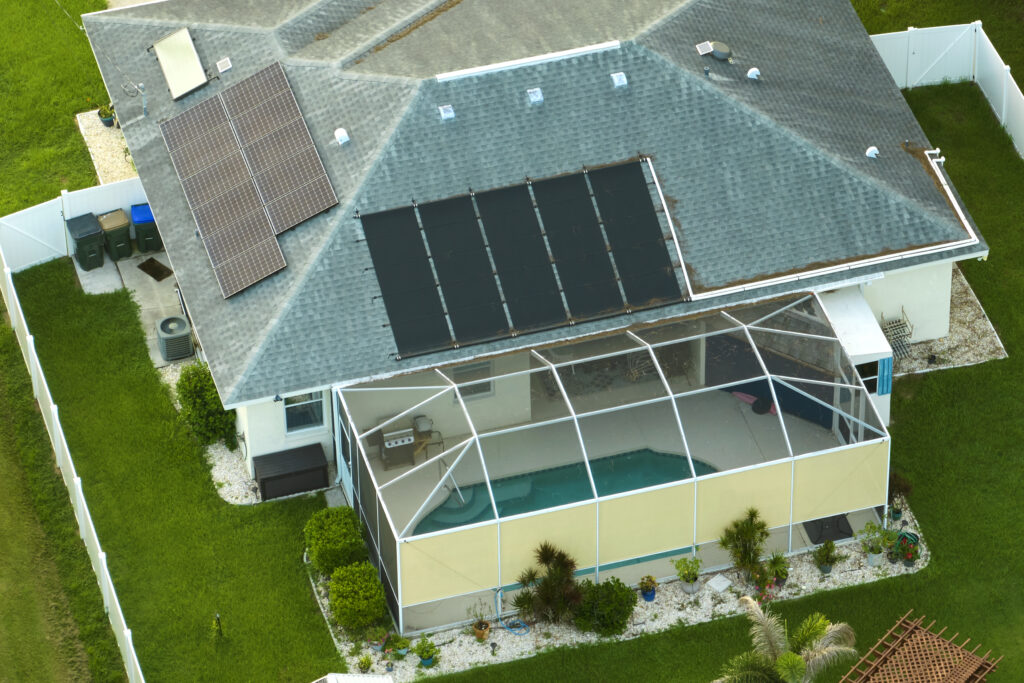
The concept behind solar pool water heating is remarkably simple yet highly effective. Most systems consist of four primary components: a solar collector, a filter, a pump, and a flow control valve. Your existing pool pump circulates water through the solar collectors—usually mounted on a roof or a nearby rack—where it is warmed by solar radiation before being returned to the pool.
Unlike photovoltaic panels that generate electricity, these thermal collectors are designed specifically to transfer heat directly to the water. This direct heat exchange is incredibly efficient, often raising pool temperatures by 5 to 10 degrees Fahrenheit compared to unheated pools.
Why Make the Switch?
- Unmatched Cost Savings: After the initial installation, the energy used to heat your pool is essentially free.
- Rapid ROI: Most homeowners see the system pay for itself within three to five years through reduced or eliminated fuel costs.
- Environmental Impact: By choosing solar pool water heating, you are drastically reducing your household’s greenhouse gas emissions.
- Clean Energy: It is a clean, renewable way to enjoy your backyard oasis.
- Longevity and Low Maintenance: Solar thermal systems typically last 15 to 20 years.
- Durability: They significantly outperform gas heaters, which often require expensive repairs or replacement after five or ten years.
Is It Right for Your Home?
To maximize the efficiency of solar pool water heating, you’ll need a site with good solar exposure and enough space for collectors, typically 50% to 100% of the pool’s surface area. When combined with a solar cover to trap heat overnight, these systems provide a consistent, comfortable swimming environment from early spring through late autumn. If you’re looking for a sustainable way to enhance your lifestyle while saving money, the sun is your best resource.