Heating costs are too high, the season feels too short, and somewhere in the middle, you start wondering if owning a pool is even worth it. A solar pool heater solves all three. It uses free energy from the sun to warm your water, which means no ongoing fuel costs, no monthly heating bills, and no more standing on the pool deck debating whether to get in. For both residential pool owners and commercial facilities, solar heating is one of the most cost-effective upgrades available. The benefits of a solar pool heater go beyond just saving money, though that part is hard to ignore.
How Much Money Can a Solar Pool Heater Save You?
Running a gas pool heater can cost anywhere from hundreds to thousands of dollars per month during spring and early fall, which are peak heating season in many parts of the country. Daytime air temperatures are still warm enough to encourage people to swim, but cooler nighttime temperatures lead to rapid heat loss. Electric heat pumps are more efficient than gas heaters, but still carry a real monthly bill. Many solar heating setups also include a gas or electric backup for cloudy stretches or cooler months. However, the result is still a dramatically lower monthly bill compared to relying on gas or electric heat alone.
Once a solar pool heating system is installed, your only ongoing cost is the minimal energy required to run your existing pool pump. For commercial facilities like hotels, gyms, schools, and community pools, the savings are even more significant. These pools run longer hours, often year-round, and cumulative energy costs under a gas or electric system can reach tens of thousands of dollars annually.
What Does the Payback Period Look Like?
Most properly sized solar pool heating systems pay for themselves in as little as three years, depending on your location, pool size, and current heating costs. After that, the heat is essentially free for the life of the system, which can be 15 to 20 years or more with basic maintenance.
Compared to a gas or electric pool heater, which never stops costing you money, the long-term math becomes clear.
Does a Solar Pool Heater Extend Your Swim Season?
Yes, and for many pool owners, this is one of the benefits of a solar pool heater they enjoy the most. Without heating, most pools in the U.S. sit unused for five or six months out of the year. The water gets too cold in early fall, and it never warms up enough in spring.
A pool solar heater can add several weeks or months to your season on both ends. In warmer climates, that can mean swimming nearly year-round. In northern states, it typically means a comfortable swim season that stretches from April or May through October. For those months or stretches of overcast weather, a gas or electric backup pool heater fills the gap, so you are not left waiting on the sun to shine. Solar handles the bulk of the heating, and the backup steps in only when needed.
For residential owners, that is more value from a major backyard investment. For commercial facilities, it means reduced operating costs, stronger utilization of a costly amenity, and better service for guests or members.
What Makes Solar Pool Heating Low-Maintenance?
Gas heaters have burners, heat exchangers, and fuel lines that wear out and need regular servicing. Heat pumps have compressors and refrigerant systems with a limited service life. Solar pool heating systems, by comparison, have no moving parts in the collectors (aka “panels”) themselves.
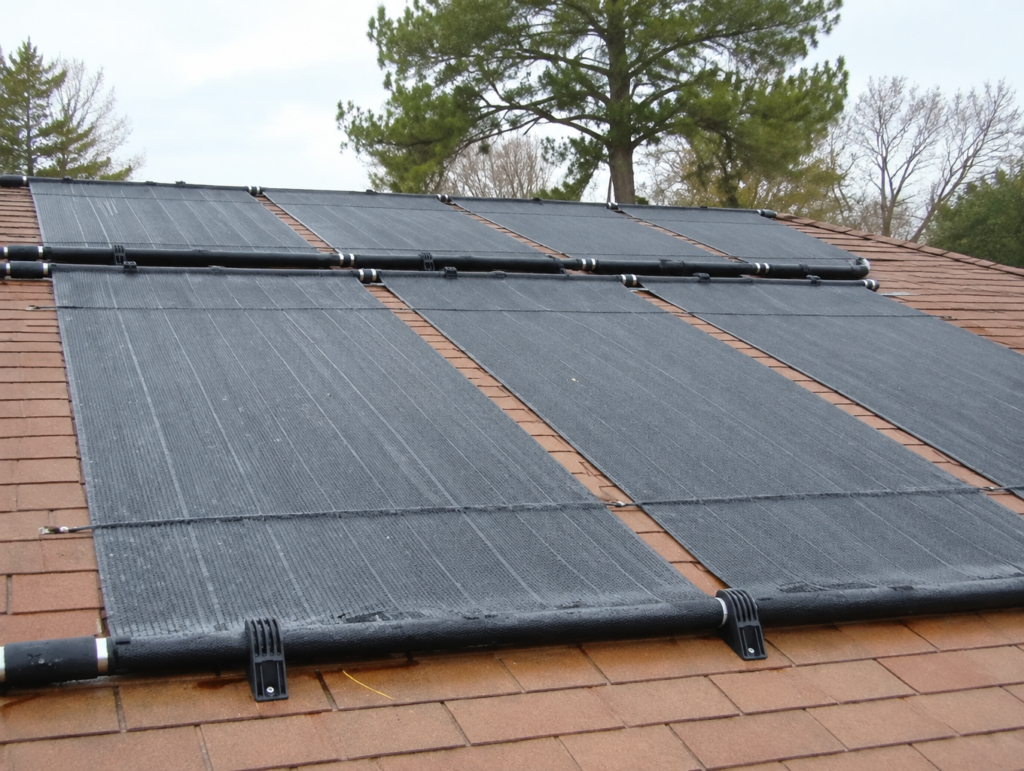
Solar thermal collectors for pool heating are made from durable polypropylene and are built to handle outdoor conditions for decades. Most systems can include an automatic controller that manages when water flows to the roof and when it bypasses. So the system looks after itself.
What Does Maintenance Involve?
Routine solar system maintenance is minimal. It typically includes:
- Periodic visual inspection of collectors and connections
- Checking and cleaning the automatic control valve
- Keeping collector panels clear of debris or shading
There is no annual tune-up, no fuel delivery, and no risk of a burner failing mid-July. For pool dealers and installers, solar systems tend to generate far fewer service calls than gas or heat pump alternatives.

Environmental Benefits of a Solar Pool Heater
For pool owners who care about their environmental footprint, a solar heating system is an eco-friendly way to keep your pool at the perfect temperature. While a gas pool heater burns fossil fuel every time it runs, a solar pool heater produces zero emissions during operation. It draws on a renewable energy source and works within your pool’s existing circulation system without requiring any new fuel infrastructure.
For commercial facilities working toward sustainability goals or marketing green practices to guests, solar pool heating is a concrete and measurable step. Residential owners increasingly factor environmental impact into major home purchases, and solar heating is a straightforward way to reduce a pool’s carbon footprint without giving up comfort.
Those with residential pools and those managing commercial facilities will find that solar fits naturally into both settings.
Is a Solar Pool Heater a Good Long-Term Investment?
When it comes to solar, the upfront cost is a one-time expense that replaces an ongoing monthly cost. A gas heater depreciates over time and keeps generating bills. A solar heating system, once installed, produces heat for free using the sun and can add value to the property as an energy-efficient feature.
There are also tax incentives that can lower costs. Some states offer additional incentives depending on your area and utility provider. Between the federal credit and any applicable state savings, the effective out-of-pocket cost is often lower than most pool owners may expect going in.
What About Resale Value?
A properly installed solar pool heating system can make a home more attractive to buyers who want a heated pool without the high operating costs. Energy-efficient upgrades are increasingly appealing as utility costs rise, and solar is one of the more visible and practical examples. Solar pool heating costs tend to be more manageable than most people expect.
Ready to Stop Paying to Heat Your Pool?
At Aquatherm, our products have been helping pool owners and commercial facilities get more out of their pools since 1976. If you are tired of high heating bills or a swim season that feels too short, it’s time to consider the benefits of solar power to heat your pool. Our systems are American-made, built to last, and backed by a network of trained dealers across the country. Whether you are a homeowner looking for long-term savings or a company searching for the right product to offer your customers, we are here to help. Find a dealer near you or explore our full lineup to get started!

Benefits of a Solar Pool Heater FAQs
How much does it cost to run a solar pool heater?
Once installed, a solar pool heater has virtually no operating cost. It uses your existing pool pump to circulate water through the collectors, so there is no fuel, no monthly heating bill, and no added utility expense. Your primary cost is the initial installation, which typically pays for itself within a few years.
How long does a solar pool heater last?
Most solar pool heating systems last between 15 and 20 years with basic maintenance. The collectors are made of durable polypropylene and built to withstand long-term outdoor exposure. Compared to gas heaters, which typically last 5 to 7 years, solar systems offer a significantly longer service life.
Can a solar pool heater work for a commercial pool?
Yes. Solar pool heating works well for hotels, gyms, schools, and community pools. These facilities often have high heating demands and large energy bills, which makes the cost savings from solar especially significant. A properly designed system can eliminate a substantial portion of annual heating costs.
Does a solar pool heater work in cooler climates?
Solar pool heating is effective across a wide range of climates, not just warm-weather regions. Systems are designed around average weather patterns and can extend the swim season in northern states by several weeks on both ends. Proper system sizing for your location is the key factor.
How does a solar pool heater connect to my existing pool system?
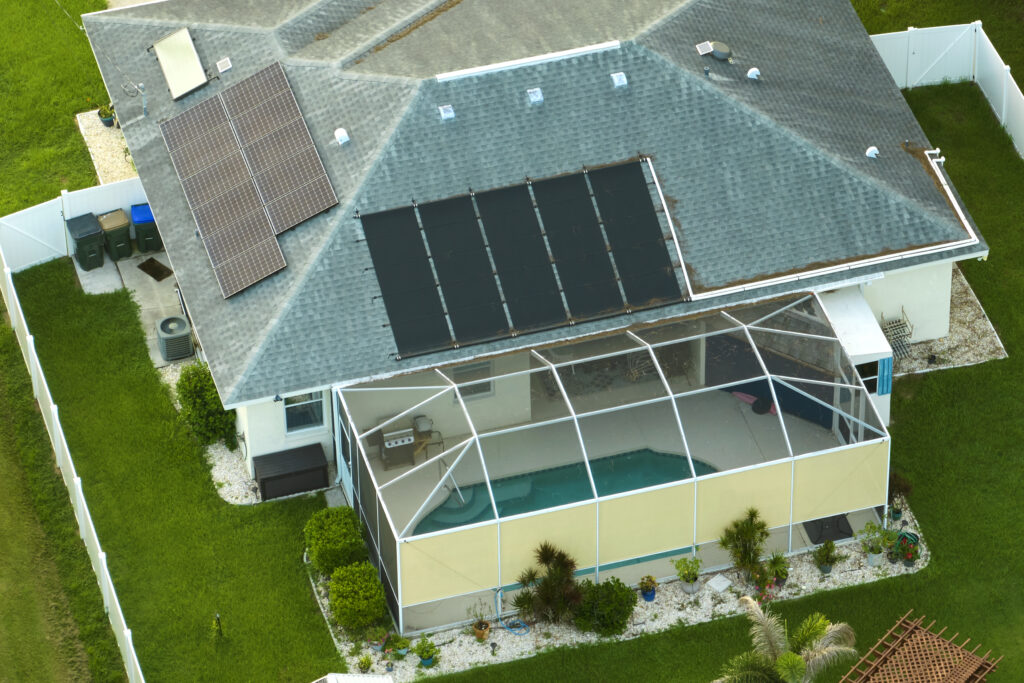
A solar pool heating system integrates with your existing filtration pump and plumbing. Water is redirected through solar collectors on your roof or rack, warmed by the sun, and returned to the pool. An automatic controller manages the process, so no manual adjustments are needed during normal operation.
Will a solar pool heater add value to my home?
Solar pool heating is an energy-efficient upgrade that appeals to buyers who want a heated pool without high ongoing costs. Resale value depends on the local market. However, energy-saving improvements are increasingly attractive as utility costs rise and buyers look for long-term affordability.