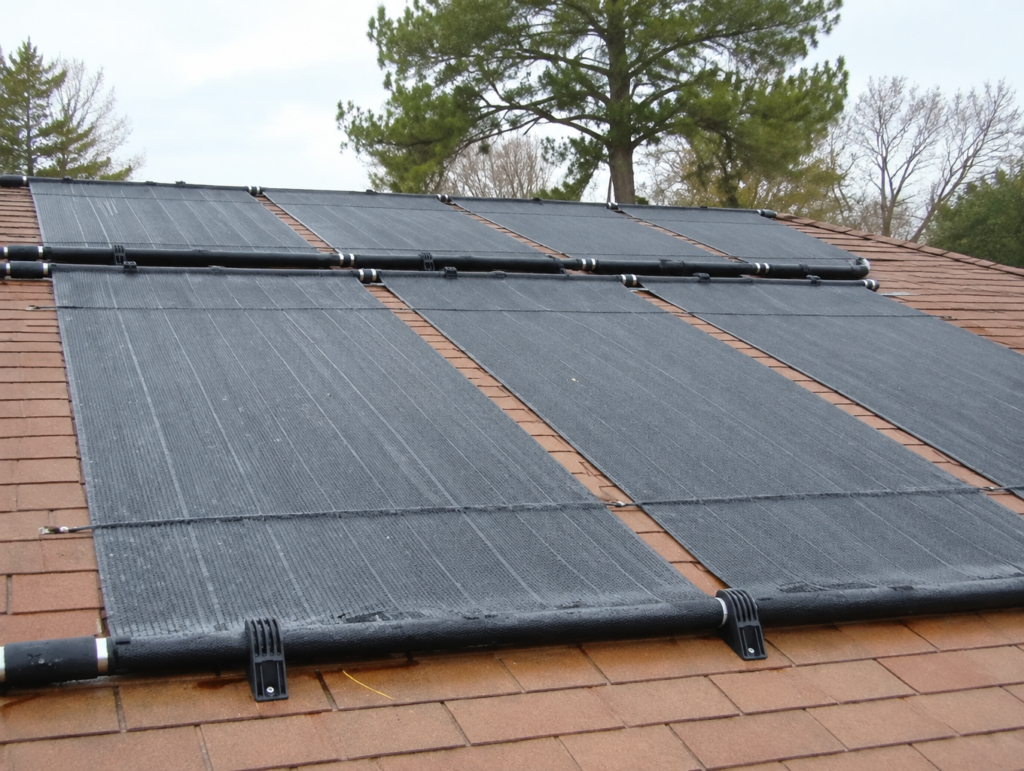
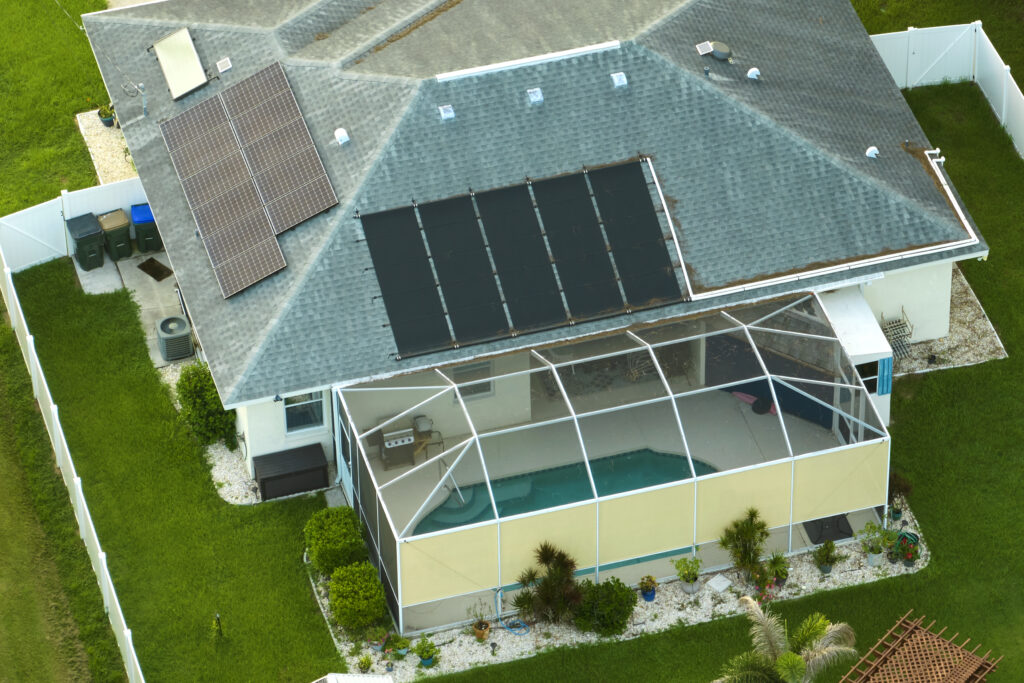
FAFCO Closed. What Are Your Options for Repairing or Replacing Your Solar Pool Heating System?
If you own a FAFCO solar pool heating system and are searching for a FAFCO solar pool heater replacement, you may have recently discovered unsettling news: FAFCO ceased operations in late 2024 after more than 50 years in business.
For thousands of pool owners across the United States, that raises immediate questions:
- Can my FAFCO system still be repaired?
- Are replacement FAFCO panels still available?
- Can I mix another brand of solar panel with my existing FAFCO system?
- Do I need to replace the entire solar heating system?
This guide will help you understand your best path forward — and avoid costly mistakes that can reduce system performance, increase strain on your equipment, and shorten the lifespan of your solar pool heater.
What Happened to FAFCO?
FAFCO officially shut down operations in November 2024. Reports indicate that machinery and remaining inventory were liquidated shortly afterward.
While some FAFCO surplus parts and panels may still exist through secondary sellers, there is no longer a factory-backed manufacturer producing new FAFCO collectors or supporting warranty claims.
That means many homeowners with aging FAFCO systems are now evaluating whether to:
- continue repairing leaks,
- replace isolated panels,
- or invest in a complete system replacement.
Why Replacing Only One FAFCO Panel Is Usually a Bad Idea
This is where many pool owners unintentionally make a costly mistake.
Most solar pool heating systems are designed around the hydraulic characteristics of a specific collector type. FAFCO collectors were fundamentally different from most modern unglazed polypropylene solar collectors.
FAFCO Panels Had Significantly Higher Pressure Drop
FAFCO’s panel design created substantially more internal flow resistance than competing collectors from manufacturers such as:
- Aquatherm Industries, Inc.
- LeverEdge
- Magen eco-Energy
- Techno-Solis
Industry installers and former FAFCO dealers have specifically noted that FAFCO systems typically required stronger pump performance and higher operating pressure to maintain adequate flow.
That matters because solar collectors connected together in parallel naturally distribute water according to resistance.
When you combine high-resistance FAFCO collectors with lower-resistance modern collectors in the same array:
- water preferentially flows through the lower-resistance panels,
- FAFCO collectors become flow-starved,
- system balance is disrupted,
- heating efficiency drops,
- stagnation risk can increase,
- and long-term reliability suffers.
What Happens When You Mix FAFCO With Another Brand?
Many homeowners assume that “a solar panel is a solar panel.”
Unfortunately, that is not how hydraulic systems behave.
If a contractor installs even one lower-pressure-drop panel into an existing FAFCO array, the system becomes hydraulically unbalanced.
Common Symptoms Include:
- Uneven heating performance
- Reduced overall solar gain
- Some panels staying cooler than others
- Air entrapment issues
- Increased stress on plumbing and couplings
- Difficulty optimizing variable-speed pump settings
- Premature wear on older FAFCO collectors
This issue becomes even more pronounced with today’s energy-efficient variable-speed pool pumps, which operate at lower flow rates than older single-speed pumps; FAFCO systems often struggled under modern variable-speed pump conditions.
Can You Still Repair a FAFCO System?
In some situations, yes.
If your system only has:
- a minor leak,
- isolated plumbing damage,
- or a single failed tube,
a qualified solar pool heating contractor may still be able to perform repairs using surplus parts or tube-plugging techniques.
However, many aging FAFCO systems are now reaching the point where:
- UV exposure,
- thermal cycling,
- roof exposure,
- and material aging
begin causing recurring failures across multiple collectors.
Pool owners across forums and consumer complaint sites have reported recurring leaks and progressive deterioration in aging FAFCO systems.
At that stage, continuing to repair isolated leaks often becomes more expensive than replacing the system properly.
Why Full-System Replacement Is Usually the Best Long-Term Option
If your FAFCO system is approaching 10+ years old and beginning to develop recurring leaks, a complete replacement is typically the most reliable and cost-effective path.
A properly engineered modern solar pool heating system offers:
- balanced hydraulic performance,
- improved compatibility with variable-speed pumps,
- lower operating pressure,
- improved serviceability,
- better roof mounting systems,
- and easier future maintenance.
Most importantly, replacing the entire array ensures all collectors operate with identical flow characteristics — exactly how solar thermal systems are intended to function.
Why Many Former FAFCO Owners Are Switching to Aquatherm
Aquatherm Industries manufactures unglazed solar pool heating collectors in the United States and has been producing solar pool heating systems since 1989.
Unlike full-body FAFCO-style collectors, Aquatherm’s tube-and-header design allows for:
- lower pressure drop,
- excellent variable-speed pump compatibility,
- isolated tube serviceability,
- and balanced system hydraulics.
Aquatherm systems are installed by authorized dealers throughout the United States and Canada for both residential and commercial pools.
For homeowners replacing an aging FAFCO solar pool heater replacement, this often means:
- lower pump RPM requirements,
- improved energy efficiency,
- quieter operation,
- and easier long-term maintenance.
Should You Replace the Entire Solar Pool Heating System?
In most cases: yes.
Especially if:
- your FAFCO collectors are over 10 years old,
- you have recurring leaks,
- you’re already replacing multiple panels,
- or your pool pump was upgraded to a variable-speed model.
Trying to mix collector technologies usually creates more problems than it solves.
A properly designed replacement system will typically deliver:
- more reliable performance,
- lower maintenance costs,
- and a longer service life.
Find an Aquatherm Dealer Near You
If your FAFCO solar pool heating system is failing or you’re exploring FAFCO solar pool heater replacement options, the best next step is to speak with an experienced solar pool heating professional. Aquatherm’s dealer network can evaluate your existing system and help determine whether repair or full replacement makes the most sense for your pool and equipment setup.