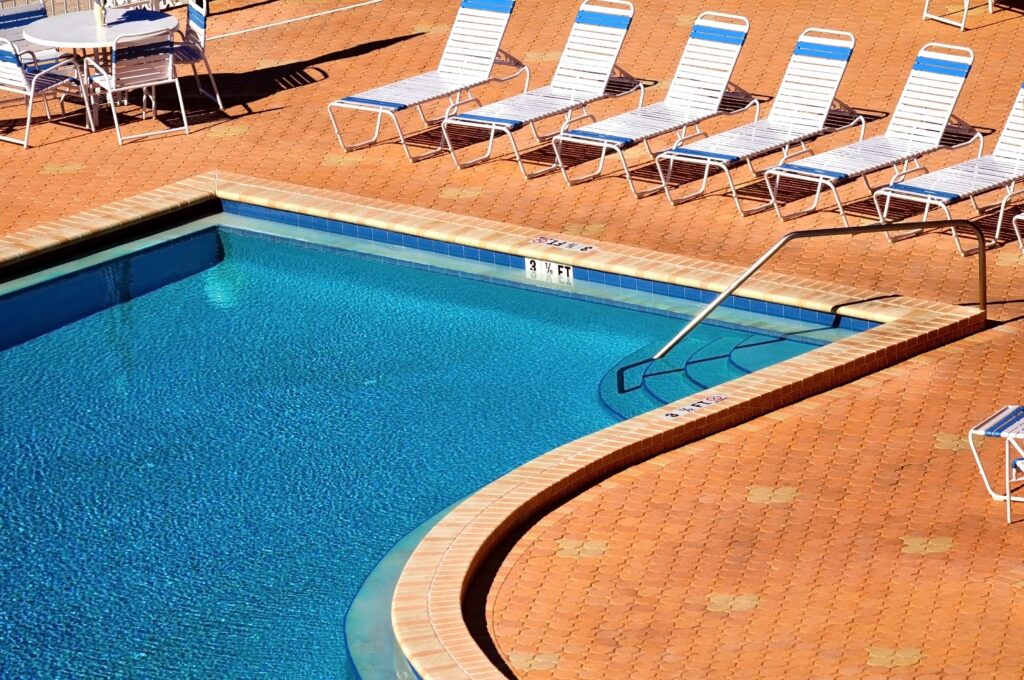
If you’re tired of staring at a beautiful, crystal-clear pool that is simply too cold to enjoy, then you are not alone. For many pool owners, the rising costs of gas and electricity make traditional heating unsustainable. Solar pool heating offers a solution that uses free energy from the sun to extend your swimming season without the monthly “bill shock”.
The Initial Investment: What to Expect
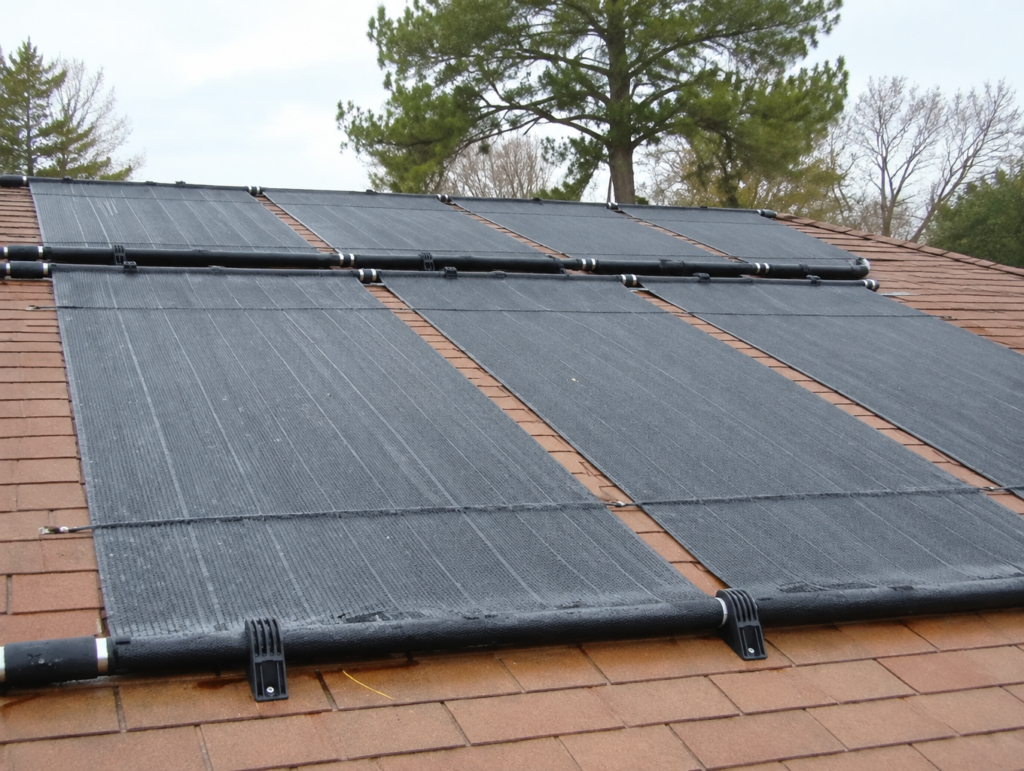
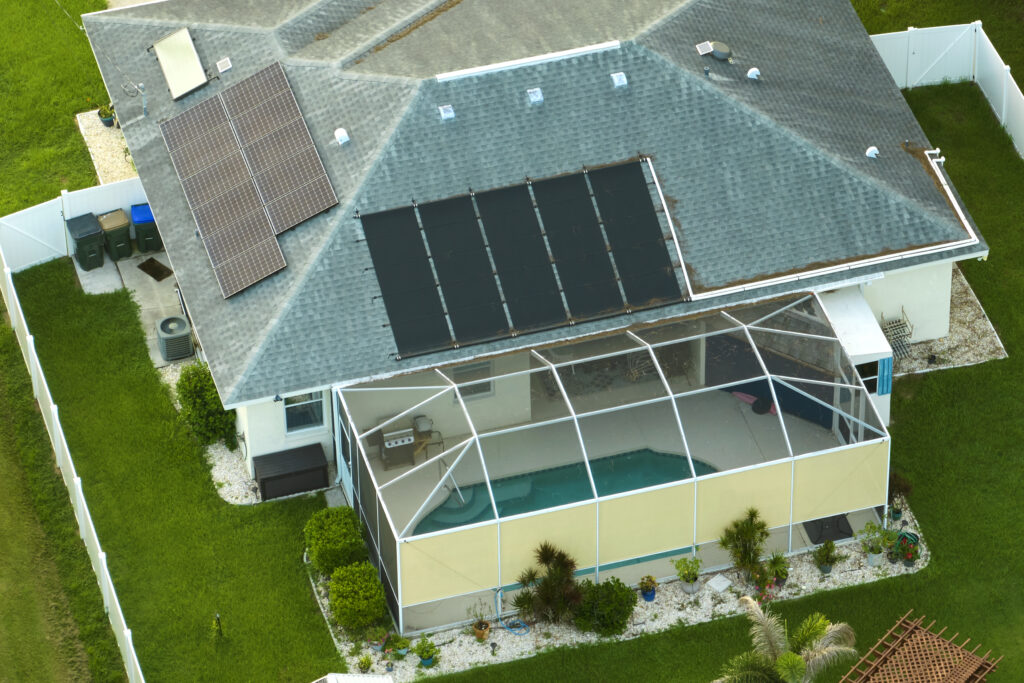
While every backyard is unique, a professionally installed solar pool heating system cost typically starts at approximately $3,500, with most residential projects ranging up to $7,000. It is important to understand that this is not a “one size fits all” product; your final investment is largely dependent on the size of your pool and your specific lifestyle goals. Unlike photovoltaic (PV) panels that generate electricity, these systems use thermal collectors to heat your pool water directly.
Sizing for Your Specific Needs
The total cost fluctuates based on how you intend to use your pool. If your ideal pool temp is considered “bath water” by some, or your goal is to maximize the length of your swim season, you may require a larger collector array to capture more heat energy.
- Pool Surface Area: To be effective, you typically need solar collectors equal to 50%–100% of your pool’s surface area. A larger pool naturally requires more panels and hardware.
- Temperature Preferences: Owners who want a consistent 85°F (29°C) experience, especially in the Spring and Fall, will require more panels than those just looking to take the “chill” off the water.
- Season Duration: If your goal is to swim year-round in a varied climate, your system design will be more robust than a simple summer booster.
Operational Costs: The Solar Advantage
The most compelling reason to choose solar is the operational cost: $0 per month. While a gas heater can cost $300–$500 per month and an electric heat pump averages $100–$200, a solar system pays for itself through energy savings, typically within 2 to 3 years.
Market Variations and Performance
Solar pool heating system cost is often relative to your local climate:
- Sun-Drenched Markets: In regions like Florida or Arizona, solar systems can maintain swimmable temperatures year-round for a one-time investment.
- Varied Climates: In cooler northern climates, solar serves as a powerful “season extender,” adding weeks or months of usage at no additional daily cost.
- Hybrid Systems: Many owners in high-utility markets use solar as their primary heat source while keeping a gas heater as a backup for rapid heating, drastically reducing annual gas consumption.
Factors Influencing Your Custom Quote
- Roof Orientation: South-facing roofs are most efficient, though West-facing options also perform well for afternoon heating.
- System Durability: High-quality collectors can last 15–20 years, significantly outlasting most mechanical heaters.
Ready to stop paying to heat your pool? Contact an Aquatherm Dealer today for a custom site evaluation and see how the sun can transform your backyard experience.