Investing in solar technology is a brilliant way to maximize your swim season, but the secret to long-term performance lies in a professional solar pool heating installation. While the concept of using the sun to warm your water is simple, the execution requires precision to ensure your system operates at peak efficiency for decades.
The Core Components of Installation
A standard solar pool heating installation involves integrating several key parts into your existing pool plumbing:
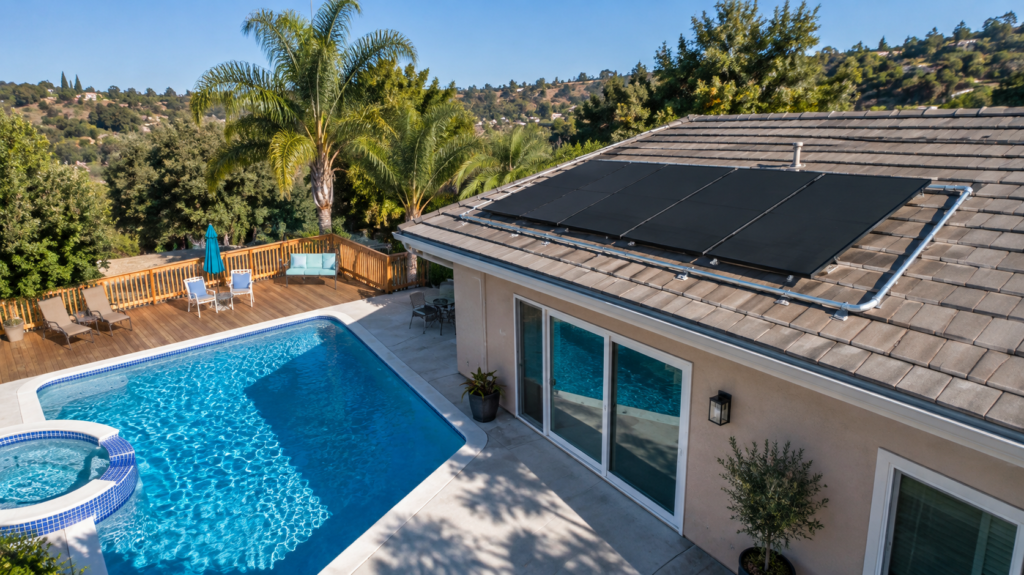
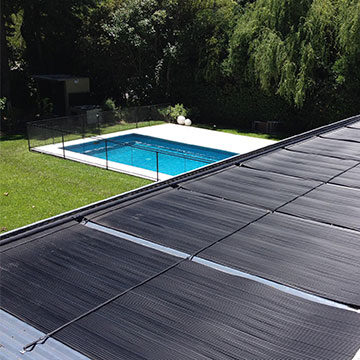
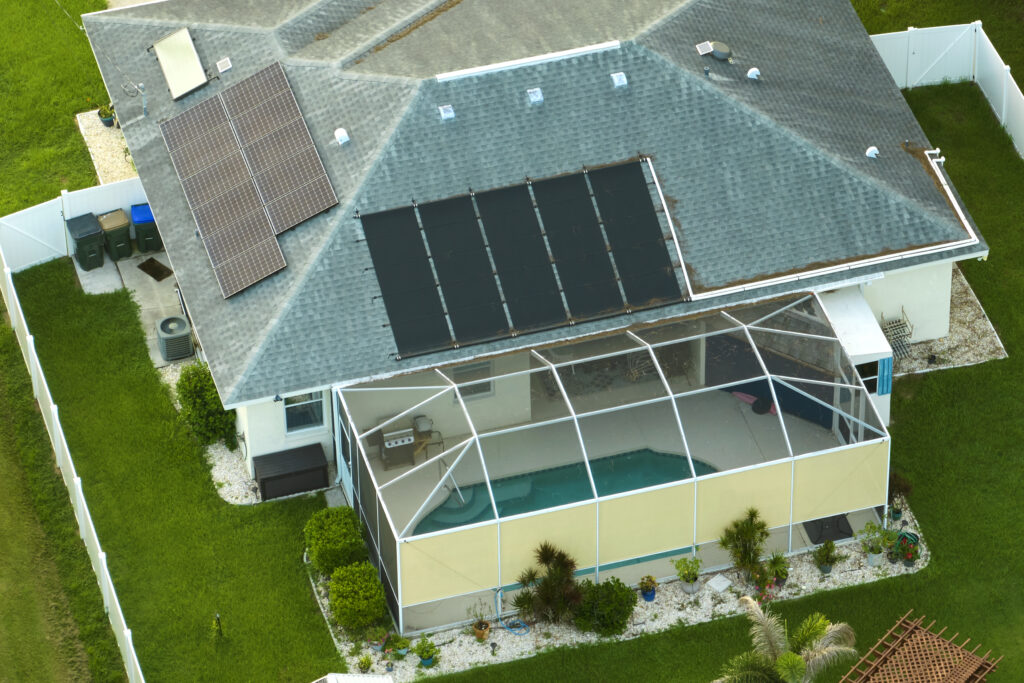
- Solar Collectors: These are the panels that harvest the sun’s energy. They are typically installed on a south-facing roof or a ground-mounted rack to capture maximum sunlight.
- Automatic Control Valve: This “brain” of the system detects when the collectors are warm enough to heat the water and automatically diverts the flow accordingly.
- Piping and Sensors: High-quality UV-resistant piping connects your pool pump to the solar array, while temperature sensors ensure the system only runs when it can actually provide heat.
Key Considerations for a Successful Setup
Before you begin your solar pool heating installation, there are three critical factors to evaluate:
- Orientation and Tilt: For those in the northern hemisphere, collectors should ideally face south. However, west-facing installations can also be highly effective for afternoon heating. East-facing systems don’t perform as well as west-facing because of heat loss from cooler morning air. Lastly, north-facing systems are feasible on shallower roofs (no more than a 2/12 pitch), but additional panels may be required to meet your pool heating goals.
- Sizing the Array: To effectively warm your water, the surface area of your solar collectors should generally equal 50% to 100% of your pool’s total surface area. A qualified and experienced installation company will know the right questions to ask to determine the ideal solar coverage for you and your family.
- Pump Compatibility: Your existing pool pump must be powerful enough to push water up to the roof and through the collectors. A professional installer can determine if a booster pump or a variable-speed upgrade is necessary.
Why Professional Installation Matters
While DIY kits do exist, a professional solar pool heating installation ensures that the system is properly weighted and secured against high winds. Furthermore, experts ensure that the plumbing is balanced so that water flows evenly through every collector, preventing “cold spots” and maximizing your return on investment.
With a lifespan of 15 to 20 years, a properly installed solar thermal system is the most cost-effective and reliable way to keep your pool at the perfect temperature from spring through fall.
Contact an Aquatherm Dealer today, and take the next step toward enjoying the luxury of a heated pool at a fraction of the cost!